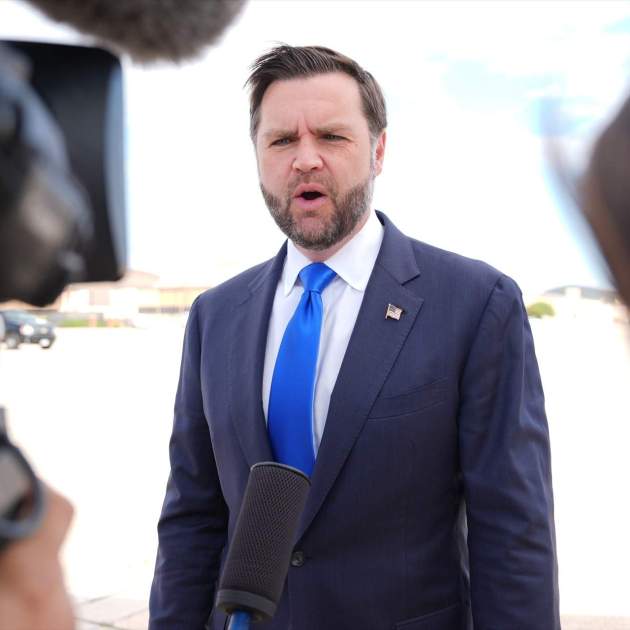
El vicepresidente de los Estados Unidos, JD Vance, ha señalado la guerra contra Irán como el principal motivo de la derrota republicana en las elecciones de medio mandato de este martes, que han supuesto la pérdida del control del Senado y la Cámara de Representantes. "La verdadera razón por la que hemos perdido es obvia para casi todo el mundo", ha afirmado el número dos de la Casa Blanca en un extenso mensaje en las redes sociales en el que ha recordado que el propio presidente, Donald Trump, ya había apuntado al conflicto la noche anterior. "Si queréis decir que perder el Senado durante los próximos seis años ha valido la pena, adelante. Decid que ha sido un precio que valía la pena pagar", ha manifestado. "Pero todo el mundo sabe por qué hemos perdido. Y cualquier conversación sincera sobre el camino a seguir de ahora en adelante debe partir de aquí", ha añadido.
El vicepresidente estadounidense ha reconocido que los resultados le han sorprendido, a pesar de que ya afrontaba las elecciones con "pesimismo". Para explicar el comportamiento de los votantes, Vance ha citado una encuesta que identifica cuatro motivos por los que una parte de los electores que apoyaron a Trump en 2024 han optado ahora por los demócratas: la voluntad de poner fin a la guerra, la preocupación por el coste de la vida y la inflación, la defensa del principio America First y el deseo de replantear las relaciones de los Estados Unidos con Israel. "Muchos votantes de Trump de 2024 estaban enfadados y planeaban votar a candidatos demócratas", ha admitido. Según Vance, el problema no ha sido la falta de participación de sus simpatizantes, sino que una parte de estos han cambiado el sentido del voto precisamente por estas cuatro cuestiones.
El vicepresidente ha dado la razón a quienes alertaron del impacto del conflicto sobre el apoyo a Trump, pero les ha pedido que no abandonen el Partido Republicano. En lugar de eso, les ha instado a "canalizar esa energía para votar a los republicanos que comparten vuestra visión del mundo". "Aprovechemos esta ira y volvamos a la tarea de salvar nuestro país", ha insistido, en un llamamiento a recuperar el apoyo de los votantes descontentos con las decisiones de la Casa Blanca.
One of the things the data analysts on our side obsessed over was "composition"—whether the electorate looked close enough to 2024 for Republicans to win. And despite polls that showed a Democrat blowout, the data kept on telling us the same story: in some states turnout was merely OK, in other states it was downright amazing, and in no state was it catastrophic. There was a genuine sense of optimism on our team: our people were showing up. So, I asked the smartest data guy I know, does that mean we're going to shock the world? "No," he told me. "We might do better than the polls suggest. But the data is telling us that a lot of Trump/Vance 2024 voters are pissed and planning to vote for the other guys. Our voters are turning out, but they may not vote for us." Well, that looks prophetic now. Our voters did show up. In Florida, for example, the electorate was 9 points more Republican than Democrat, just a couple points worse than 2024. Undoubtedly there were places we could have done better on turnout. But the main problem is not turnout. The main problem is that many people who voted for Trump/Vance in 2024 voted for Democrats in 2026. There will be a lot of infighting and arguing over what happened and why that is. One of the pollsters I really respect told me that our economic messaging wasn’t sharp enough down the stretch. I’m sure that’s true. But the real reason we lost is obvious to almost everyone. Another pollster—one of the smartest people I know in politics, told me yesterday we’d lose the generic ballot by 13 points. I felt negative going into Tuesday, but even I was shocked by this. In his polling, he saw that a lot of Trump 2024 voters were angry and planning to vote for Democrats. He asked those voters who had abandoned us what would cause them to come back on our team. The top four answers, accounting for nearly all of the responses were: 1) End the war 2) Focus on cost of living/inflation 3) Put America First 4) Change our relationship to Israel Our voters showed up. And the above four reasons are why many of them voted for Democrats. This is according to a pollster who nailed the results. While many spent Monday attacking Rachel Campos Duffy for calling for a diplomatic resolution to the conflict, it turns out her political advice was sound. (She’s also a great person.) In the next few months, there's going to be a lot of gaslighting. Expect to hear any number of establishment politicians say the solution to our woes is amnesty. I'm open to the idea that we should change enforcement—by focusing more on businesses that hire illegal labor, for instance. But anyone pushing amnesty is lying to you. The reason we lost is the war. The president himself said so last night. If you'd like to argue it was worth it, that losing the Senate for the next 6 years was worth it, then do so. Argue it was a worthwhile cost to pay. Agree or disagree, that's at least honest. But everyone knows why we lost. And any honest conversation about where we go from here must start there. I remain hopeful about our country. To the people who are pissed off and want to say, “I told you so”: you’re right, you did tell us so. Take that energy into electing Republicans who share your worldview. To the people who are just pissed at the results, you should be. Let’s take that anger and get back to the work of saving our country.
— JD Vance (@JDVance) November 4, 2026
Batacazo histórico
Los demócratas han logrado imponerse en las elecciones de medio mandato con unos resultados que han superado sus expectativas más optimistas y les han permitido recuperar el control de las dos cámaras del Congreso. Además de la victoria legislativa, el partido ha protagonizado triunfos históricos en las elecciones a gobernador de estados como Texas, Ohio y Georgia, tradicionalmente favorables a los republicanos. El resultado representa un revés de gran alcance para Trump y su partido, que ven cómo los demócratas refuerzan su posición institucional en plena controversia por la guerra contra Irán.